25 April, 2026
|
15 minutes to read

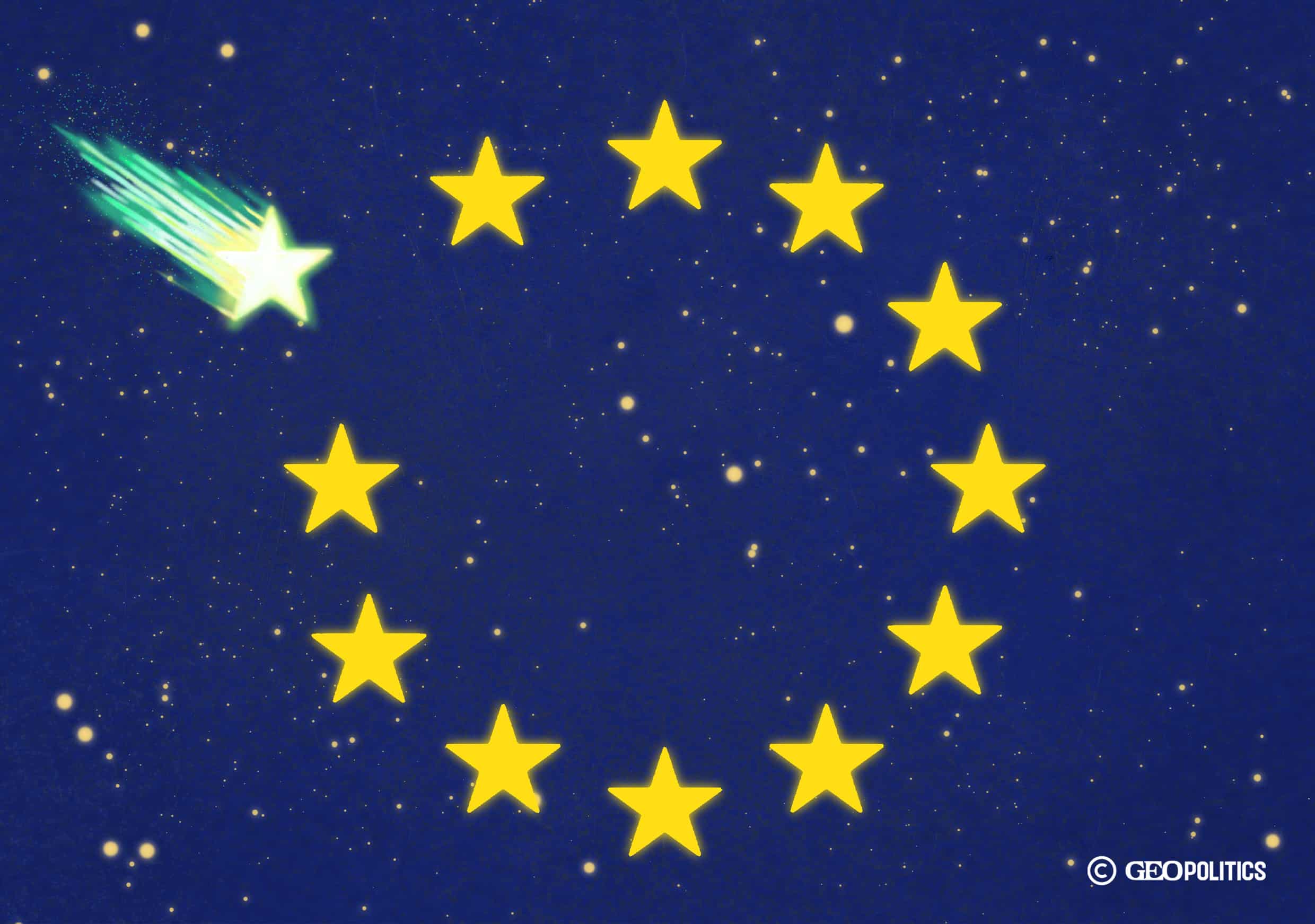
In November 2024, a new coalition government composed of the Social Democratic Alliance, the Reform Party, and the People’s Party came to power in Iceland. One of its key campaign promises was to hold a national referendum on whether the country should resume accession negotiations with the European Union. The coalition pledged that such a vote would take place no later than the end of 2027.
On March 6, 2026, the Icelandic government approved a parliamentary resolution formally scheduling the referendum. Icelanders will go to the polls on August 29, 2026, to decide whether their country should reopen negotiations on EU membership.
With four months remaining before the vote, Icelandic society appears deeply divided on the question of Europe. A recent Gallup poll shows that voters are almost evenly split on whether to resume EU accession negotiations, with 52% in favor and 48% opposed, a gap well within the margin of error. This near parity is mirrored in broader attitudes toward membership itself: 47% oppose joining the European Union, 40% support it, and 13% remain undecided, with opposition rising to 54% when only those expressing a clear view are counted. Political divisions further reinforce this split, with overwhelming majorities of supporters of the Independence, Progressive, and Center parties opposing membership, while voters aligned with liberal and social democratic parties are largely in favor.
At first glance, this referendum concerns only Iceland’s domestic political trajectory. Yet the implications extend far beyond the island state. The outcome could significantly influence the future direction of the EU enlargement policy, the geopolitical dynamics of Northern Europe, and the broader narrative surrounding the European Union’s attractiveness.
Recent geopolitical developments have added an unexpected dimension to the debate. Statements by the U.S. President Donald Trump regarding the possibility of asserting control over Greenland, including suggestions that such control could be achieved through military means, have triggered renewed discussions about security in the Arctic region. Paradoxically, these developments have also strengthened arguments in favor of deeper European integration and revived debates about a potential “Northern enlargement” of the European Union.
The Icelandic referendum could therefore become a pivotal moment. A positive outcome might demonstrate that renewed enlargement is feasible and politically viable. It could inject new momentum into a process that has largely stagnated since the EU’s last enlargement in 2013.
The Icelandic referendum could therefore become a pivotal moment. A positive outcome might demonstrate that renewed enlargement is feasible and politically viable. It could inject new momentum into a process that has largely stagnated since the EU’s last enlargement in 2013. Furthermore, Iceland’s accession could stimulate discussions about EU membership in neighboring countries, particularly Norway, and potentially reopen debates in Greenland about renewed cooperation with the European Union.
Conversely, a negative outcome could reinforce skepticism toward enlargement across Europe. Opponents of European integration might use such a result to strengthen the narrative that EU membership undermines national sovereignty and that the Union’s appeal is waning.
The stakes, therefore, extend far beyond Iceland itself.
With a population of roughly 394,000 people, Iceland is one of Europe’s smallest states. Yet despite its modest size, the country ranks among the world’s most advanced democracies and most prosperous economies.
According to the Economist Intelligence Unit’s 2025 Democracy Index, Iceland ranks fourth globally, surpassed among EU countries only by Sweden. Economically, the country also performs exceptionally well. Iceland has a GDP per capita of approximately EUR 86,000, placing it behind only Luxembourg and Ireland in the broader European economic space.
Iceland is also an important supplier of key industrial materials. The country is a significant producer of low-carbon aluminum, benefiting from abundant geothermal and hydropower resources. Today, Iceland accounts for approximately 7.3% of the European Union’s aluminum imports, making it the EU’s fourth-largest supplier after Norway, China, and Türkiye.
Despite not being a member of the European Union, Iceland has long been deeply integrated into European structures. The country is part of the Schengen Area, is a member of the European Economic Area (EEA), and participates in numerous EU programs and agencies. As a result, much of Icelandic legislation is already aligned with EU law.
Iceland first applied for EU membership in 2009, following the country’s dramatic financial crisis. The collapse of Iceland’s three largest banks and the subsequent 50% depreciation of the national currency, the Krona, severely destabilized the economy. At the time, many Icelandic political leaders viewed EU membership as a potential anchor of institutional and financial stability.
Because Iceland had already complied with much of EU legislation through its EEA membership, accession negotiations progressed rapidly. Within just three years, Iceland had opened 27 negotiation chapters and provisionally closed 11 out of 35.
However, the momentum was short-lived. Following the 2013 parliamentary elections, a Eurosceptic center-right coalition led by the Independence Party and the Progressive Party came to power. The new government opposed the EU membership and formally suspended accession negotiations. In 2015, Iceland’s foreign minister sent an official letter to Brussels requesting that Iceland no longer be considered an EU candidate country.
Several factors contributed to this decision. First, Iceland’s economy recovered more quickly than expected from the financial crisis, reducing the perceived need for EU membership. Second, concerns about national sovereignty gained prominence in domestic political debates. Many Icelanders feared that joining the EU would require abandoning the national currency and transferring greater authority to European institutions.
Most importantly, concerns centered on control over fisheries, one of Iceland’s key industries.
Fishing is not merely another economic sector in Iceland; it is a central component of the country’s national identity and economic structure. The fishing industry accounts for approximately 12% of Iceland’s GDP, employs around 5% of the workforce, and represents close to 40% of the total value of exported goods.
For centuries, access to marine resources has shaped Iceland’s economic development, political priorities, and cultural traditions. Unsurprisingly, any policy perceived as limiting Iceland’s control over its fishing grounds quickly becomes politically sensitive.
This is where the European Union’s Common Fisheries Policy (CFP) becomes highly controversial.
While the policy aims to ensure long-term environmental sustainability and fair distribution of fishing opportunities among EU members, it also requires states to share decision-making authority over their maritime resources.
The CFP is designed to manage fish stocks collectively among EU member states. It establishes shared quotas, regulates access to fishing waters, and sets sustainability rules intended to prevent overfishing. While the policy aims to ensure long-term environmental sustainability and fair distribution of fishing opportunities among EU members, it also requires states to share decision-making authority over their maritime resources.
For many Icelanders, this raises fundamental questions of sovereignty.
Iceland currently exercises exclusive control over its 200-nautical-mile exclusive economic zone, one of the richest fishing areas in the North Atlantic. Moreover, the standard of 200 nautical miles for the Exclusive Economic Zone (EEZ) under the UN Convention on the Law of the Sea (UNCLOS) is largely based on Iceland’s unilateral practice, which led to the infamous “cod wars” with the UK. Under EU membership, Iceland would need to negotiate how its fishing resources would be incorporated into the broader CFP framework. This could allow vessels from other EU countries to access Icelandic waters, subject to negotiated quotas and arrangements.
Critics argue that such an outcome could undermine Iceland’s long-standing fisheries management system, which is widely regarded as one of the most efficient and sustainable in the world.
Supporters of EU membership, however, claim that these concerns may be overstated. They note that EU fisheries policy has evolved significantly in recent years and that special arrangements could be negotiated to protect Iceland’s interests. Furthermore, Iceland’s advanced fisheries management expertise could actually strengthen EU-wide sustainability policies. In any case, fisheries remain the single most politically sensitive issue in Iceland’s EU debate. Any future accession negotiations would almost certainly hinge on finding a compromise acceptable to both Icelandic voters and EU member states.
The global environment that Iceland faces today differs significantly from the one that existed when accession negotiations were suspended in 2015.
The international system is increasingly characterized by intensifying geopolitical competition, shifting power balances, and growing uncertainty. For small states such as Iceland, navigating this environment requires careful consideration of both economic and security partnerships.
Although Iceland is a founding member of NATO, the country does not maintain a standing military. Instead, its defense relies heavily on alliances and bilateral agreements, particularly with the United States.
Recent controversies around Greenland and NATO have raised questions about the future reliability of these arrangements. Statements by Donald Trump questioning NATO’s relevance and suggesting the possibility of a U.S. withdrawal from the alliance have unsettled many European partners. Even more controversial were remarks regarding Greenland. Trump suggested that the U.S. control of the territory could be necessary for national security, raising concerns across the Nordic region.
Iceland, together with Denmark, Finland, Norway, and Sweden, responded by emphasizing that Arctic security must be based on respect for international law and the territorial integrity of Greenland within the Kingdom of Denmark.
Iceland, together with Denmark, Finland, Norway, and Sweden, responded by emphasizing that Arctic security must be based on respect for international law and the territorial integrity of Greenland within the Kingdom of Denmark.
For many Icelandic policymakers, these developments have reinforced the importance of deeper cooperation with the European partners. EU membership is increasingly seen by some as a way to strengthen economic resilience and broaden the country’s security partnerships.
Economic factors also play a role. Iceland has experienced rising inflation in recent years, reaching 5.4% in March 2026. Higher inflation has contributed to rising interest rates, reduced housing affordability, and increased living costs.
These economic pressures have revived debates about whether closer integration with European markets and institutions could provide greater long-term stability.
The Icelandic referendum has also revived broader discussions about the future geography of EU enlargement.
The European Commission’s 2025 Enlargement Package suggested that Montenegro could conclude accession negotiations by 2026 and Albania by 2027. EU Enlargement Commissioner Marta Kos expressed optimism that Montenegro might join the Union by 2028, followed by Albania in 2029.
However, Iceland’s potential return to the accession process could reshape this timeline.
Because Iceland already participates in the EEA and the Schengen area, its legal and regulatory systems are largely aligned with EU standards. Combined with strong democratic institutions and high income levels, this could enable Iceland to make progress in negotiations relatively quickly if talks resume.
In such a scenario, Iceland could advance more quickly than the current frontrunners among candidate countries.
This development would inevitably attract attention across Northern Europe.
Norway, which rejected EU membership in referenda in 1972 and 1994, might find itself as the only Nordic country outside the Union if Iceland were to join. Although political parties in Norway remain cautious about reopening the membership debate, public opinion appears to be evolving.
Recent polls suggest that 63% of Norwegians support holding another referendum, while support for EU membership itself increased from 23% in 2023 to 41% in 2025.
Greenland represents another important dimension of the debate. The self-governing territory withdrew from the European Economic Community in 1985, largely due to disputes over fisheries policy. However, renewed geopolitical competition in the Arctic and increasing interest from global powers have prompted discussions in Nuuk about strengthening ties with Europe.
If Iceland were to negotiate favorable terms within the EU’s fisheries framework successfully, this could serve as a precedent or model for Greenland should it ever consider returning to the European Union.
If Iceland were to negotiate favorable terms within the EU’s fisheries framework successfully, this could serve as a precedent or model for Greenland should it ever consider returning to the European Union.
Iceland’s accession could also have implications for enlargement in Eastern and South-Eastern Europe.
Some analysts have suggested the possibility of a smaller enlargement wave — sometimes described as a “mini big bang.” Such a scenario could involve several countries joining the EU simultaneously from different geographical regions. For example, Iceland could be joined by Montenegro, Albania, and Moldova, whose combined population would be roughly 6 million.
Such an approach could revitalize the enlargement agenda while avoiding the political complexities of admitting larger or more geopolitically sensitive candidates, such as Ukraine. It would demonstrate that enlargement remains a merit-based process, rewarding countries that have successfully implemented reforms.
Internal EU reforms remain a crucial factor. Germany and France have repeatedly emphasized that institutional reforms must accompany further enlargement to ensure the Union remains effective and capable of decision-making.
At the same time, internal EU reforms remain a crucial factor. Germany and France have repeatedly emphasized that institutional reforms must accompany further enlargement to ensure the Union remains effective and capable of decision-making.
The European Commission is therefore expected to present proposals under the initiative “An EU Fit for Enlargement: Policy Reviews and Reforms.”
Beyond institutional and geopolitical implications, the Icelandic referendum could also become a focal point in the broader information and narrative contest surrounding the European Union.
If Iceland were to join the EU alone, without other candidate countries progressing simultaneously, critics might portray this as evidence that the Union favors wealthy and economically advanced states while leaving poorer countries waiting indefinitely. Such narratives could feed into existing disinformation campaigns aimed at undermining EU credibility in candidate countries, particularly in the Western Balkans and Eastern Europe.
Anti-EU actors could promote several key messages. One narrative might claim that the enlargement process is politically biased rather than merit-based, suggesting that wealthy countries receive preferential treatment while others remain permanently stuck in the waiting room.
Another argument could portray EU membership as incompatible with national sovereignty. Opponents might highlight Iceland’s debates over fisheries policy or currency sovereignty as proof that joining the EU requires surrendering control over vital national interests.
Disinformation campaigns might also attempt to frame the EU as a declining project. By selectively highlighting internal disagreements or economic challenges, such narratives could suggest that even prosperous countries like Iceland remain uncertain about the benefits of membership.
Conversely, a negative referendum outcome could also be exploited.
If Icelandic voters reject reopening accession negotiations, Eurosceptic actors across Europe might present the result as evidence that even one of Europe’s most prosperous democracies sees little value in joining the Union.
If Icelandic voters reject reopening accession negotiations, Eurosceptic actors across Europe might present the result as evidence that even one of Europe’s most prosperous democracies sees little value in joining the Union.
Such messaging could reinforce “enlargement fatigue” within EU member states and weaken reform momentum in candidate countries.
In short, the referendum will not only be a political decision for Iceland but also a symbolic event within Europe’s broader ideological debate about the future of integration.
The Icelandic referendum scheduled for 29 August 2026 may appear at first glance to be a domestic political decision within a small North Atlantic nation. Yet its implications could resonate far beyond Iceland’s shores.
A positive vote could reopen accession negotiations and potentially place Iceland among the frontrunners in the EU enlargement process. Given the country’s existing integration with European institutions and its high level of economic development, Iceland could advance rapidly through negotiations.
Such a development might inject new momentum into a policy area that has stagnated for more than a decade. It could also stimulate renewed debates about EU membership in neighboring countries such as Norway and encourage Greenland to reconsider its relationship with European institutions.
At the same time, Iceland’s accession could reshape the political dynamics of enlargement by demonstrating that progress remains possible for countries that meet the necessary criteria.
However, the path forward would not be without challenges. Fisheries policy, monetary sovereignty, and domestic political divisions will continue to shape the debate. Negotiating a solution that satisfies both Icelandic voters and EU member states will require careful diplomacy and political compromise.
Equally important is the broader narrative dimension. The referendum will inevitably be interpreted and instrumentalized by different political actors across Europe and beyond. Whether the result is positive or negative, it will likely become a reference point in debates about the future of European integration.
Iceland’s referendum represents more than a policy choice about accession negotiations. It reflects deeper questions about Europe’s geopolitical positioning, the resilience of the European project, and the credibility of the enlargement process itself.
In this sense, Iceland’s referendum represents more than a policy choice about accession negotiations. It reflects deeper questions about Europe’s geopolitical positioning, the resilience of the European project, and the credibility of the enlargement process itself.
If enlargement is to remain one of the EU’s most powerful tools for promoting stability, prosperity, and democratic governance across the continent, the outcome of the Icelandic vote will matter.
The decision made by fewer than 400,000 Icelanders could therefore influence not only their own country’s trajectory but also the future shape of Europe’s political and institutional landscape.